Browse social activities and wellness programs
Home Care Options: Individualized Care for Aging Individuals
Home care options are vital in assisting seniors as they manage daily life. These services offer customized support suited to individual needs, promoting independence while maintaining safety. Beyond physical tasks, they also provide psychological care, dealing with feelings of isolation. Understanding the various aspects of home care can be challenging, yet it is crucial for families looking for the best options for their loved ones. The next steps in this journey are critical.
Why Aging people Require Residential care Options
As older adults grow older, their capacity for everyday tasks often declines, necessitating the need for home care services. Many individuals face difficulties such as movement limitations, ongoing medical problems, and cognitive decline, rendering routine activities increasingly difficult. Home care services provide vital assistance, allowing seniors to preserve autonomy while getting customized care tailored to their individual requirements.
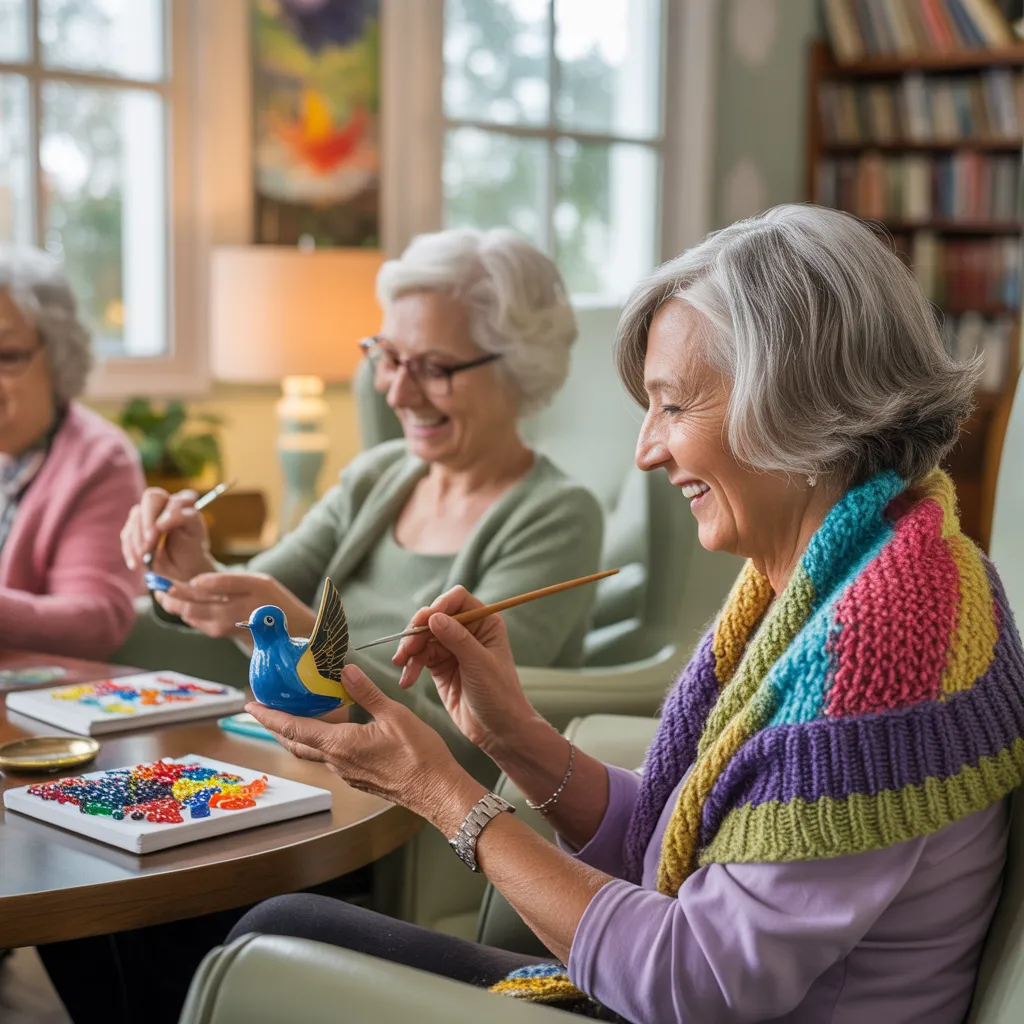
These services often include help with food preparation, medication management, and self-care, which can significantly improve the quality of life. Additionally, home care supports the mental health of seniors by providing friendship and social engagement, reducing sense of loneliness and solitude.
Moreover, home care solutions are adaptable, permitting families to modify the intensity of care as their loved one's needs shift. This versatility ensures that seniors receive the appropriate assistance, fostering a safe and nurturing environment for aging in place. Ultimately, home care options are crucial for fostering health and dignity in the later stages of life.
How to Evaluate Your Loved One's Needs
How can households accurately identify the specific needs of their elderly family members? Evaluating these needs starts with open communication. Families should engage in honest conversations, allowing seniors to share their preferences and concerns. Observing daily routines can also offer understanding into areas requiring assistance, such as mobility challenges or trouble managing home responsibilities.
Additionally, families can perform a comprehensive assessment by consulting healthcare providers who can identify health-related needs. This may include visiting the loved one's doctor or examining recent medical records. It is essential to consider emotional and social needs, as companionship and mental well-being are critical for seniors.
Finally, households should evaluate the home environment to recognize potential hazards or changes needed for well-being. By merging these strategies, households can build a thorough knowledge of their loved one's requirements, leading to more thoughtful judgments regarding fitting in-home care options.
Key Styles of Home Care Programs for Seniors
Understanding the specific needs of aging loved ones sets the stage for choosing suitable home care options. Multiple vital types of home care options cater to these needs, guaranteeing seniors receive the assistance required for their well-being.
Personal care services concentrate on support with everyday tasks such as bathing, dressing, and grooming. Companionship offerings offer psychological assistance and social engagement, helping to reduce emotional isolation. Medication management guarantees that seniors follow their prescribed regimens, minimizing health risks.
Additionally, home-based health services provides expert nursing support for those requiring medical attention, including wound care and physical therapy. Respite care gives family caregivers temporary relief, pledging they can refresh themselves while ensuring their cherished relatives continue to receive care. By understanding these service types, families can make informed decisions that enhance the life quality for their aging relatives.
Recognizing the Merits of Bespoke Help
Individualized support markedly improves the quality of support for elderly individuals, tackling their individual requirements and preferences. By customizing services to personal needs, care providers can cultivate a sense of dignity and autonomy, which is essential for mental and emotional health. This personalized method often results in better health outcomes, as elderly individuals are more likely to follow to treatment plans that align with their lifestyles.
Furthermore, custom-focused support builds stronger connections between caregivers and seniors, cultivating trust and open communication. This connection helps caregivers to better understand the emotional and physical challenges experienced by seniors, resulting in more effective interventions. Additionally, it permits families to feel more involved in the care process, reducing concerns about their loved ones’ welfare. Overall, personalized support not only improves the quality of care but also uplifts the lives of seniors, offering them with the comfort and security they deserve in their golden years.
How to Select the Best Home Care Provider for Your Family
Selecting the right in-home care service can feel overwhelming, yet it is an essential choice for households looking for the best assistance for their senior family members. To begin, households should assess the particular needs of their family members, such as healthcare needs, daily living assistance, and companionship. Researching nearby services is important; households can consult internet ratings, request suggestions from friends, or reach out to community senior organizations for advice.
Once potential providers are identified, families should schedule interviews to gauge the standard of service provided. Inquire about staff qualifications, instruction, and experience in handling comparable circumstances. Furthermore, it is crucial to review care plans and flexibility in services, ensuring they can adapt to evolving requirements. Ultimately, verifying credentials and licenses provides assurance of adherence with local requirements. By carefully evaluating these factors, households can select appropriate options that match their family members' specific requirements and desires.
Home Care Cost Analysis
Navigating the financial landscape of home care can be challenging for families, as costs can vary greatly based on services required, location, and the amount of care necessary. On average, hourly rates for home care services are between $20 to $50, depending on the difficulty of care. Basic assistance with daily activities usually costs less than professional medical assistance, which can escalate expenses considerably.
Geographic location serves as a key factor in affecting costs; urban areas often have higher rates compared to rural regions. Additionally, families may face different rate options, such as hourly, daily, or live-in rates. Insurance coverage can further complicate financial planning, as not all policies cover home care expenses. Families are advised to explore available financial aid, including government programs and community resources, which can help reduce some of the financial burden associated with home care services. Understanding these cost dynamics is essential for informed decision-making.
Strategies for Working With Home Care Staff
How can households express their requirements successfully to in-home care providers? Transparent dialogue is essential for ensuring that seniors obtain the appropriate care. First, families should specify specific needs and desires, including daily routines, medical conditions, and personal interests. Sharing comprehensive details permits caregivers to customize their strategy productively.
Second, developing effective communication lines is crucial. Families should feel confident raising inquiries and giving suggestions regarding the care being rendered. Periodic meetings can help manage any worries in a timely manner.
Third, employing documented records, like care logs or journals, can assist in monitoring changes in health or behavior, which is advantageous for both families and professionals. Finally, building a partnership approach promotes understanding and mutual respect, resulting in improved care outcomes. By applying these approaches, families can establish a supportive environment that improves the home care journey for their family members.
Commonly Asked Questions
In What Methods Can I Engage My Senior in Care Decisions?
Involving a senior in care decisions can be accomplished by encouraging open discussions, carefully hearing to their preferences, providing information about options, and honoring their decisions, ultimately creating a feeling of independence and self-determination.
What Are the Symptoms That Home Care Is Needed?
Signs that home care is needed comprise difficulty with daily activities, frequent falls, social isolation, unmanaged medical conditions, poor hygiene habits, and mounting disorientation or remembrance difficulties. Family input can also illuminate these concerns.
Home Care Services - Can They Be Tailored as Time Goes By?
Yes, home care services can be adjusted over time. As demands shift, attendants can modify the scope of assistance, frequency of visits, and forms of care provided, ensuring in-depth guide ideal care for individuals throughout their progression.
What Approaches Can I Follow for Caregiver Transitions or Changes?
Managing caregiver changes requires clear communication. Establishing confidence and continuity through slow introductions and detailed care instructions can ease shifts, guaranteeing that both elderly individuals and care providers feel supported and comfortable throughout the transition.
What Are Widespread Myths Regarding Home Care for Older Adults?
Mistaken notions about at-home care for senior citizens incorporate assumptions that it is only for the critically ill, considerably dear, or that caretakers want proper training. In essence, at-home care offers diverse options matched to specific needs.